English
 Arabic


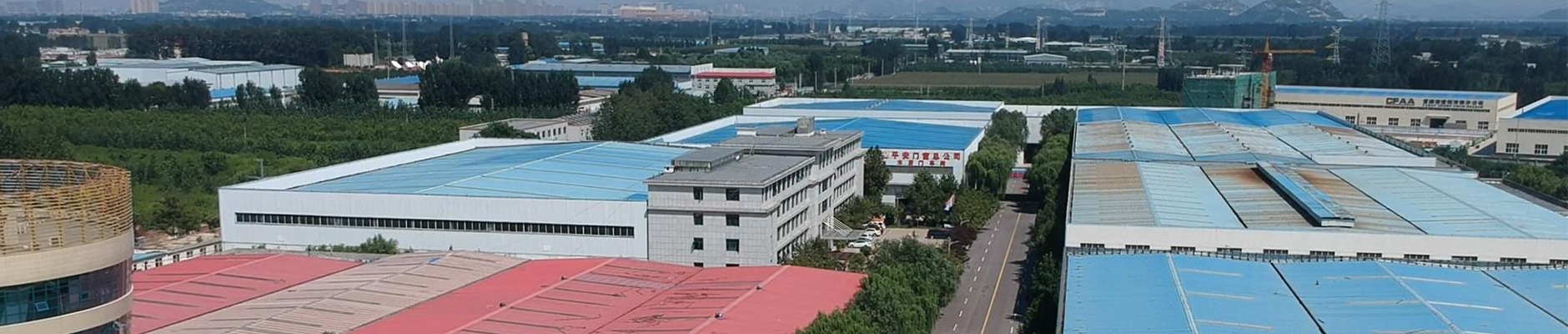
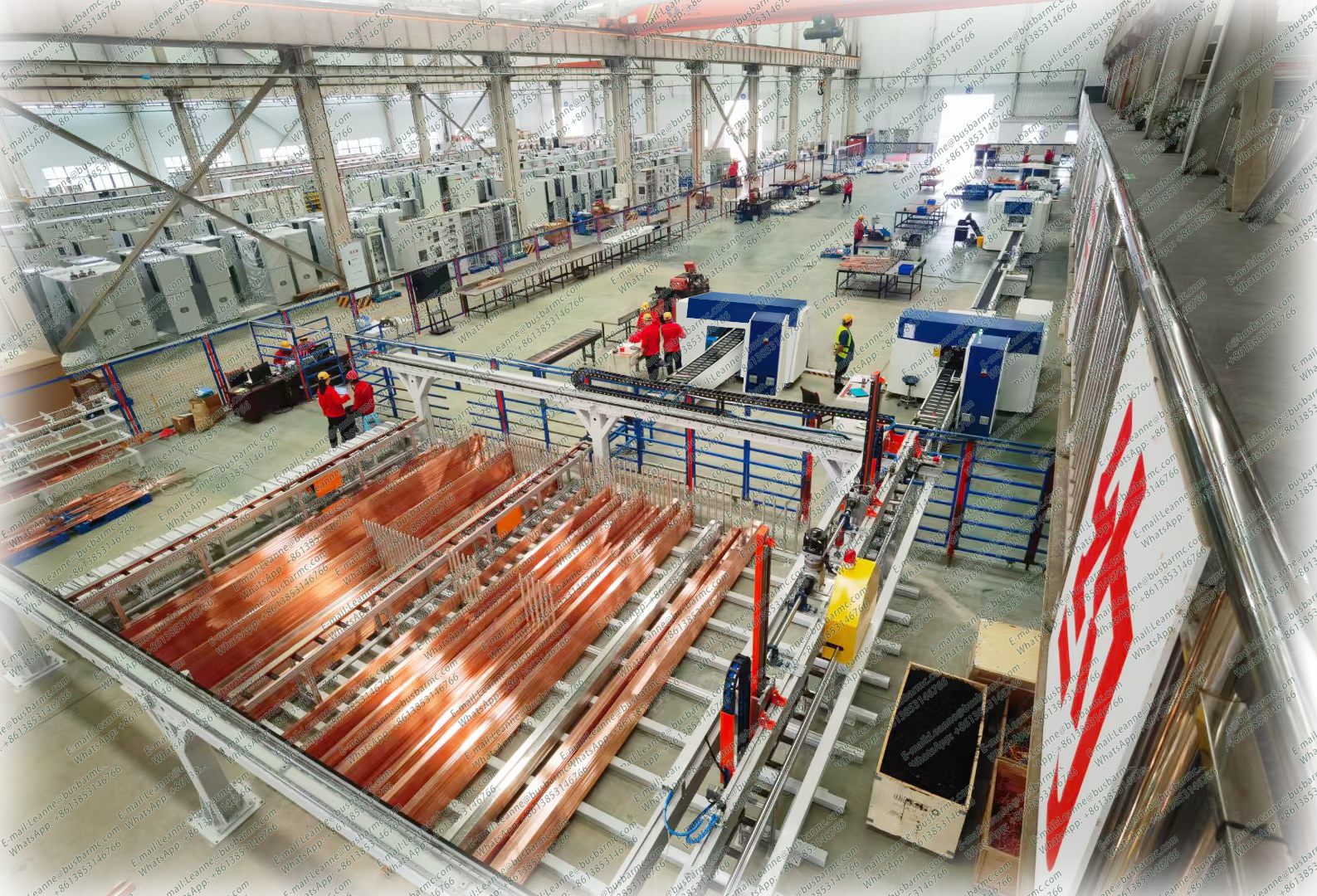
Busbar fabrication in a switchgear plant runs at the speed of its slowest step, so the equipment that matters is whichever station is the bottleneck, not the most impressive machine on the floor. The sequence is cutting to length, punching the hole pattern, bending to geometry, deburring and inspection, then kitting to the assembly cell, and in most low-voltage switchgear plants the punching step dominates because hole count per bar rises faster than bar count as panels become more complex. For a Saudi or GCC plant with a mixed low and medium volume order book, a three-in-one machine removes transport between the three operations and lets three operators work at once; for a plant building one panel family in volume, a dedicated punch and shear line pays back faster. Whichever route is chosen, sizing must start from the monthly mix rather than the peak job.
Busbar fabrication is a sequence, and the plant runs at the speed of its slowest step. Most plants invest in one impressive machine and leave the other steps manual, which is why the impressive machine spends part of every day waiting. In a Saudi switchgear plant supplying utility substations, commercial towers and industrial projects, that waiting time is directly visible in panel delivery dates.
| Step | Equipment | What it decides | Typical bottleneck cause |
|---|---|---|---|
| Cut to length | Shear, or the cutting station of a 3-in-1 machine | Length accuracy and cut face quality | Manual handling of long bars |
| Punch | Turret punch station or dedicated press | Hole position and diameter | Die changes between parts |
| Bend | Bend station with angle control | Angle, leg length, flatness | Springback correction on every part |
| Deburr and inspect | Deburring tool, angle gauge, calipers | Whether the part is accepted at assembly | No defined inspection point |
| Kit and deliver | Rack or trolley by panel number | Assembly waiting time | Parts delivered in production order, not assembly order |
The fourth and fifth steps are the ones most often skipped in a capital plan, and they are the ones that generate the complaints. A part that is 0.3 mm out of square is a tolerance issue on paper and a two hour delay on the assembly floor.
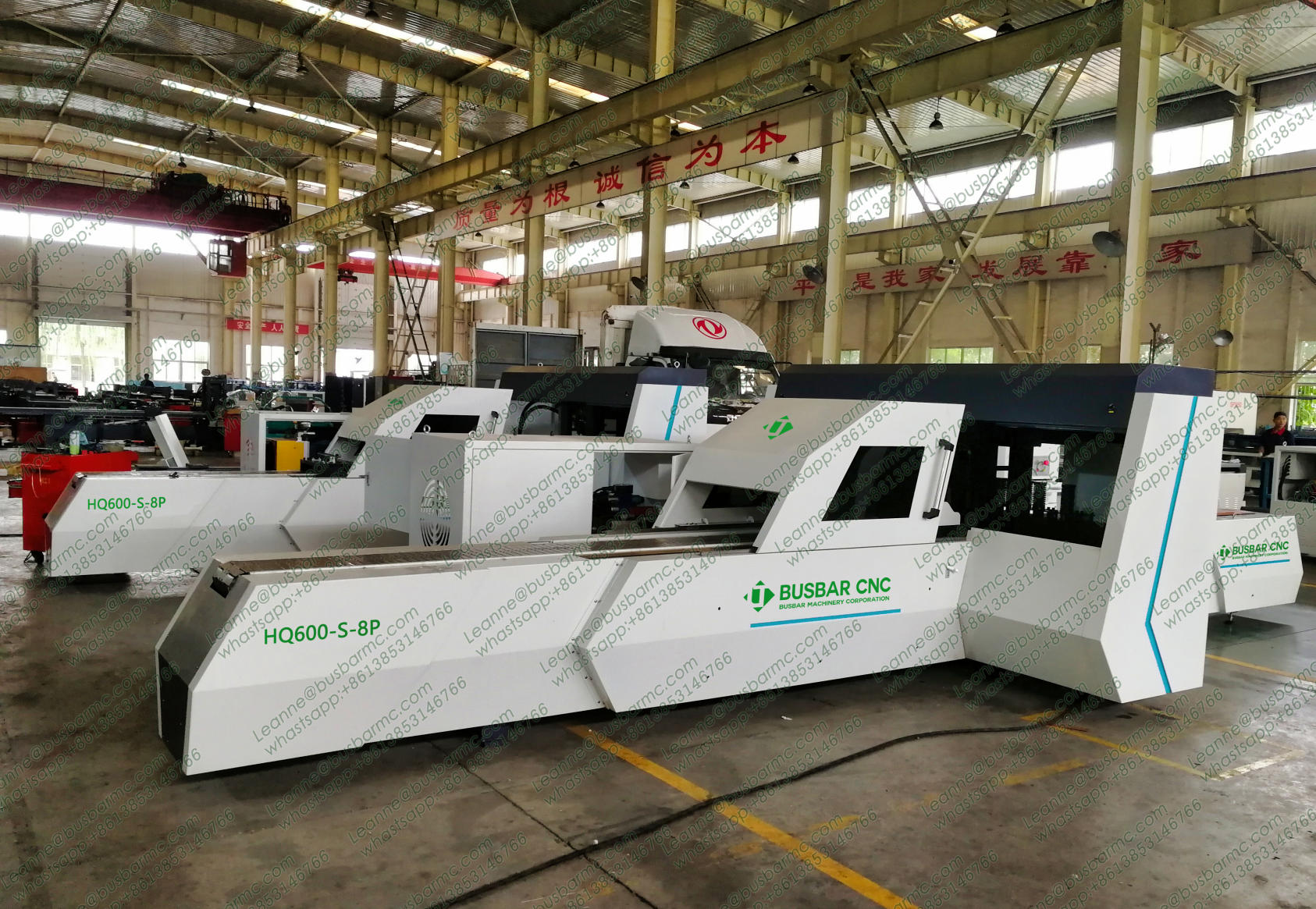
Start from the monthly mix, not from the peak job. Count the bars per panel, the holes per bar and the bends per bar. Convert that to station hours per month, then compare with the available hours. The step that exceeds available hours is the one to invest in. In most low voltage switchgear plants the punching step dominates, because hole count per bar rises faster than bar count as panels become more complex.
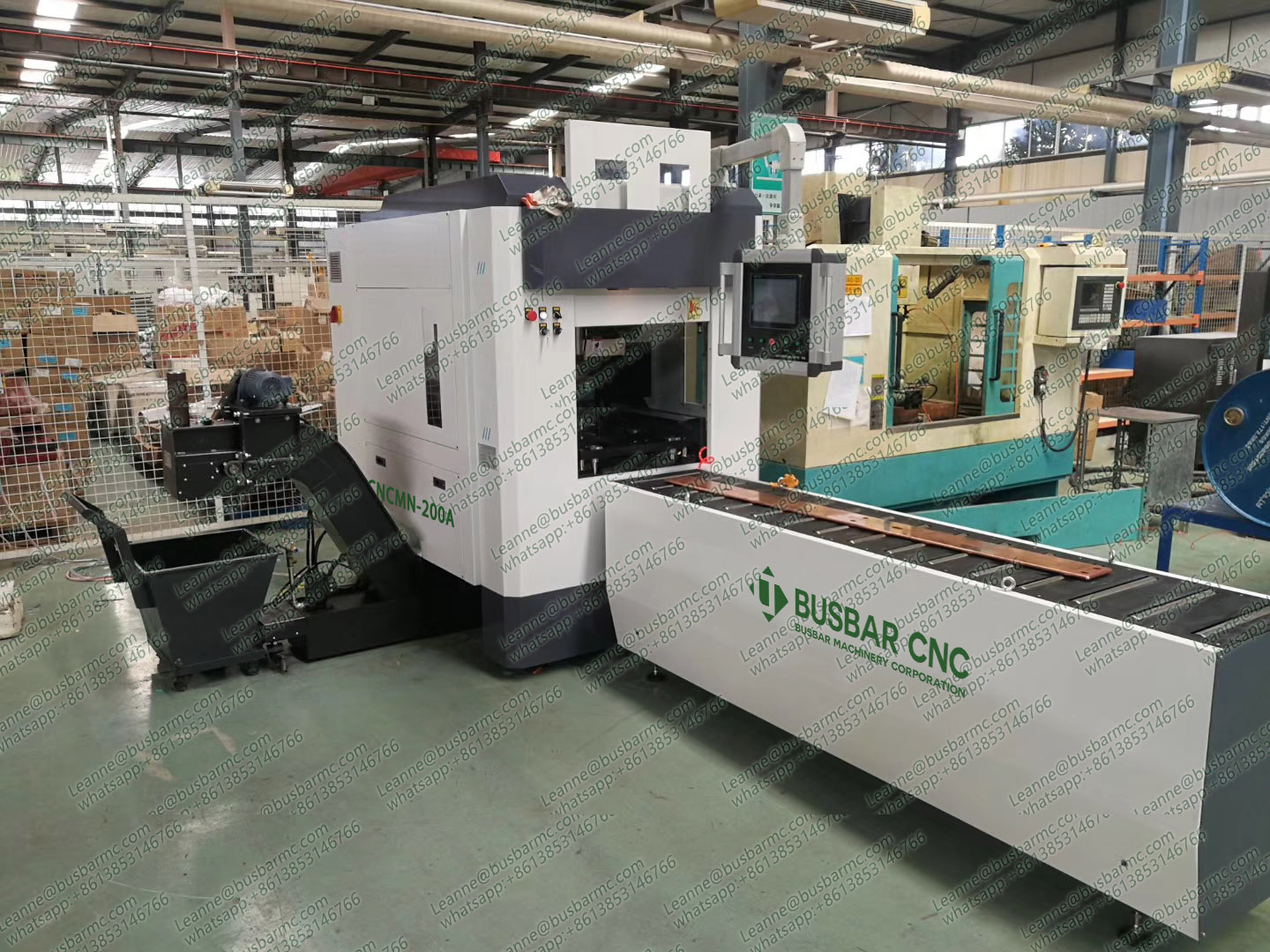
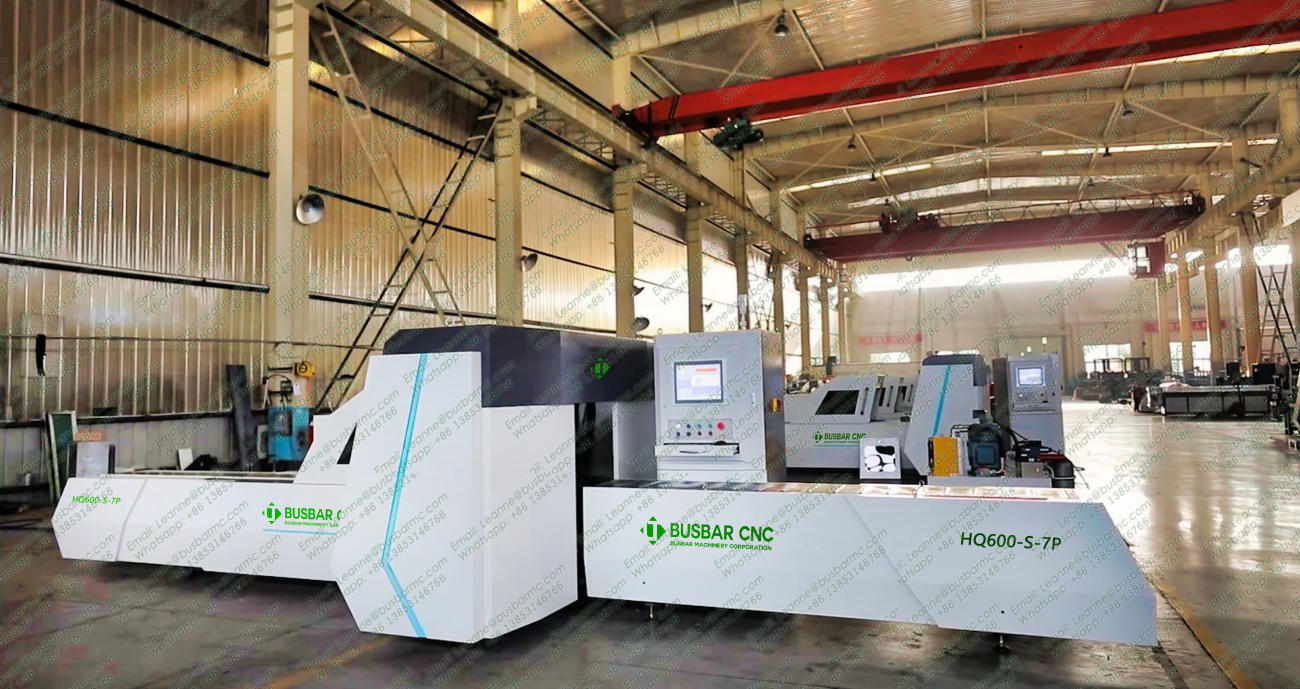
A three station machine is the usual answer for a mixed low and medium volume plant, because it removes transport between three operations and it lets three operators work at once. On the LTMC 303U-3-C, 503U-3-C and 803U-3-C each station has its own motor and pump group, so punching, shearing and bending can run in parallel rather than in sequence. A dedicated punch and shear line is the answer when a plant builds the same panel family in volume, because the programming and nesting gain outweighs the loss of flexibility.
For plants working to Saudi Electricity Company or SASO-related project specifications, the first article sheet is also the document a third-party inspector will ask for, so designing it once in Arabic and English saves a translation cycle at handover.
Put the shear, the punch and the bend within one operator walking distance. Every metre between stations becomes handling time multiplied by every bar in the plant. Keep the bar rack at the shear end, not in the middle, so long bars are cut before they are moved. Deliver kitted parts to assembly in panel order, because a complete kit that arrives in the wrong sequence is as useful as an incomplete one.
Where floor space is at a premium, as it usually is in leased industrial units in Riyadh's Second Industrial City or Jeddah's industrial zones, a three-in-one machine also wins on footprint: one frame replaces three, and the aisle space saved is often worth more than the machine itself over a five-year lease.
A shear, a punch and a bender, or one three station machine that combines them, plus a deburring tool and a digital angle gauge. Anything less means buying cut and punched bars from outside, which adds lead time to every panel.
If the product mix changes from panel to panel, buy the three station machine first. If eighty percent of output is one panel family, a CNC line pays back faster because programming effort is amortised over long runs.
Measure how long a bar waits at the bend station compared with how long it is actually being bent. Waiting time above working time means the step is the constraint.